Performance-Based vs. Code-Based Seismic Design
In earthquake-prone regions, building owners and developers need to weigh up their design approach carefully.
Typically, there are two paths: meeting code-based standards or pursuing a custom, performance-based seismic design.
The best option? Well, that depends on your goals and needs. That’s why we’ll compare both options side by side below.
What is Code-Based Seismic Design
A code-based seismic design refers to designing a building or retrofit in strict accordance with the local, regional, and national building codes.
The goal of such a design is to protect life. It’s been developed by the International Building Code (IBC) to ensure the structure won’t collapse and occupants can safely evacuate during a code-defined earthquake event.
This approach provides clear, prescriptive standards that professionals can follow, and if these standards are met, the building will be compliant with legal safety mandates.
A big problem is; however, that many times these standards are not even being met due to poor implementation and lack of proper inspections.
What is Performance-Based Seismic Design
A performance-based seismic design is a tailored, goal-oriented approach to earthquake design. It goes beyond the one-size-fits-all code approach and offers a bespoke option set to meet specific seismic performance objectives.
Following this approach doesn’t only focus on life safety. It also helps control damage and functional recovery after seismic activity. For example, the expected damage, repair costs, and downtime under certain strengths of seismic events.
Rather than following the generic code formula, professionals can use advanced analysis techniques to predict the building’s response to various earthquake scenarios, designing the structure to meet performance targets.
Pros and Cons of Code-Based Seismic Design
Code-based seismic design is the default for most projects, especially those that are budget-friendly or don’t need to meet special performance requirements.
Pros
Lower Initial Cost
For most projects, designing for code is the most affordable option upfront. You are only meeting the minimum required strength and detailing requirements, meaning less reinforcement, fewer specialized materials, and simpler retrofit or construction.
Clear Standards
Another benefit of code-based seismic design is that it’s backed by clear, standardized criteria. Simply, they provide a universally applied set of rules and calculations that engineers, contractors, and building officials all understand.
Due to this, it means the design and construction process is relatively straightforward. Normal processes and materials are used, so there’s a reduced need for specialized expertise, equipment, or goods.
Meets Legal Compliance
Designing a building to code is the law. By using a code-based design, you guarantee that your building meets all the legal compliance requirements.
By following the code, owners can be confident that they are meeting the required legal obligation for earthquake safety.
Cons
False Sense of Security
Many homeowners go this route; however, other contractors typically overlook critical requirements— leaving you with a seismic retrofit that will not perform as expected.
Uncertain Post-Earthquake Usability
The biggest drawback of code-based design is what happens after the earthquake.
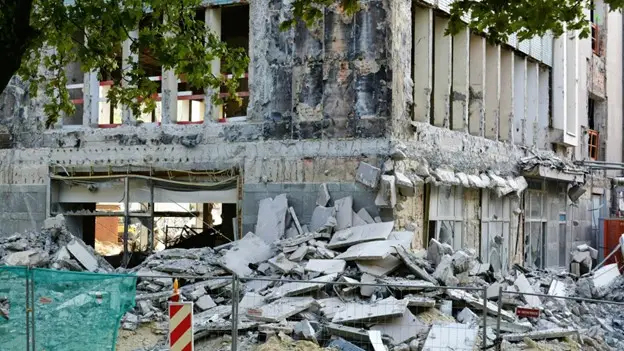
While a code-designed building is unlikely to collapse, there’s no guarantee that it will be usable or safe to reoccupy in the aftermath. In fact, the code allows the building to sustain significant damage as long as lives are protected.
Therefore, even when a building meets code, it can be unusable for months or even condemned, resulting in loss of housing, revenue, etc.
Hidden Financial Risks
A code-based design is a cheaper alternative upfront. However, it doesn’t account for the aftermath damage for things such as downtime or loss of residence.
If a code-compliant building is badly damaged by an earthquake (a very real possibility), the owner may encounter massive repair bills, business interruption costs, and more.
One-Size-Fits-All Approach
Regardless of the building’s specific use or the owner’s priorities, a code-based seismic plan is almost the same for all buildings.
The major issue with this is that not all buildings and building owners have the same requirements. A building, for instance, like a museum with priceless artifacts, needs a very different seismic design plan from a residential house.
Pros and Cons of Performance-Based Seismic Design
Despite being more expensive to develop, a performance-based design offers protection based on the owner’s goals. This level of design allows you to construct a building with aftermath priorities aligned.
Pros
Tailored Protection to Goals
With a performance-based design, you tailor your seismic protection to the owner’s specific goals. Therefore, you’re not limited to the code’s single performance level.
Instead, the owner defines what “success” looks like for a building after an earthquake. For example, whether the building is fully operational immediately after a major quake or if it can take a few weeks to repair.
That’s just one instance as well, it could be how much repairs cost, where the building can and cannot collapse to protect certain goods, and so forth.
Essentially, using a performance-based seismic design allows owners to align the design with their business or operational needs.
Reduced Downtime and Quicker Recovery
Alongside the above, you can reduce the downtime a property encounters. This can be done through the design stages.
Simply, the owner chooses an appropriate downtime for the building, and the engineers design it in a way that the building meets those requirements after a quake.
For example, a hospital needs to be instantly available after an earthquake. In this case, it’ll need to be designed using a performance-based seismic plan that allows for such protection.
Better Risk Transparency
Naturally, with a performance-based seismic design, you get more information and insights into your building and its earthquake protection.
This allows building owners to get a clearer picture of the expected earthquake performance under multiple quake strengths.
It’s possible to then use this information to plan for such events. For example, a building can be designed to suffer $500k in damage after a 7.0 earthquake. By knowing this, the owner, business, etc., can then ensure they have these funds on standby in case it happens.
Long-Term Value and Resilience
Alongside the above, investing in performance-based seismic design can provide long-term value for property owners and communities.
While it may cost more upfront, the payoff is a building that is far less likely to encounter catastrophic damage or require lengthy closure after a quake.
Cons
Higher Upfront Cost
Due to the research required, specialized expertise, etc., the cost of a performance-based seismic design has much higher upfront costs.
There’s no way around it. Aiming for better seismic performance will require a bigger investment during design and construction.
Greater Complexity
By nature, a performance-based seismic design is more complex and involved than a code-based design. The planning, skills required, and the materials used are different and often require specialized expertise.
For example, when it comes to designing the building’s structure, complicated analysis techniques are used. The time will simulate dozens of earthquake scenarios and tweak the design to fix weak points to ensure multiple performance metrics are met.
Performance-Based vs. Code-Based Comparison
| Factor | Code-Based Design | Performance-Based Design |
| Goal | Life safety, collapse prevention, meets legal standards. | Protects lives and functionality with owner-defined performance goals. |
| Post-Earthquake Usability | Uncertain – building may be heavily damaged and unusable. | High – can be designed for quick reoccupancy or continuous operation. |
| Upfront Cost | Lower initial cost; most economical. | Higher upfront cost due to added analysis and strengthening. |
| Flexibility | Prescriptive, one-size-fits-all. | Flexible, tailored to building use and owner priorities. |
| Risk Transparency | Limited insight into damage/downtime. | Detailed predictions of repair costs, downtime, and risks. |
| Best For | Budget-sensitive, lower-priority buildings. | Critical, high-value, or long-term facilities needing resilience. |
Which Approach is Best for You?
Deciding between code-based and performance-based seismic design depends on three key factors:
- Building Type: Buildings such as hospitals, data centers, or emergency hubs will usually need a performance-based design to stay functional. Lower-priority structures, such as warehouses, may be fine with code-based compliance.
- Owner Priorities: If minimizing upfront costs and meeting legal requirements is your goal, a code-based design is enough. If you want to protect long-term investment, rental income, etc., performance-based seismic design is the safer choice.
- Budget: Performance-based seismic design will cost more upfront, but can save you on downtime and building damage after a quake. A code-based design, though, will be cheaper initially but may expose you to financial exposure.
At the end of the day, the best options depend on your requirements. Sometimes a standard code design is suitable, while other times, a performance-based seismic design.
Conclusion
When it comes to performance-based vs code-based seismic design, the difference comes down to personal goals.
While a performance-based seismic design can be costly, it can offer more protection. On the other hand, while a code-based seismic design is more affordable, it can cost more in the aftermath.
The best option? It depends on your goals and building. To see which is best for your specific situation, feel free to contact our professionals at Avant-Garde.